Diagnostic Equipment: How to Choose Lab Automation Systems
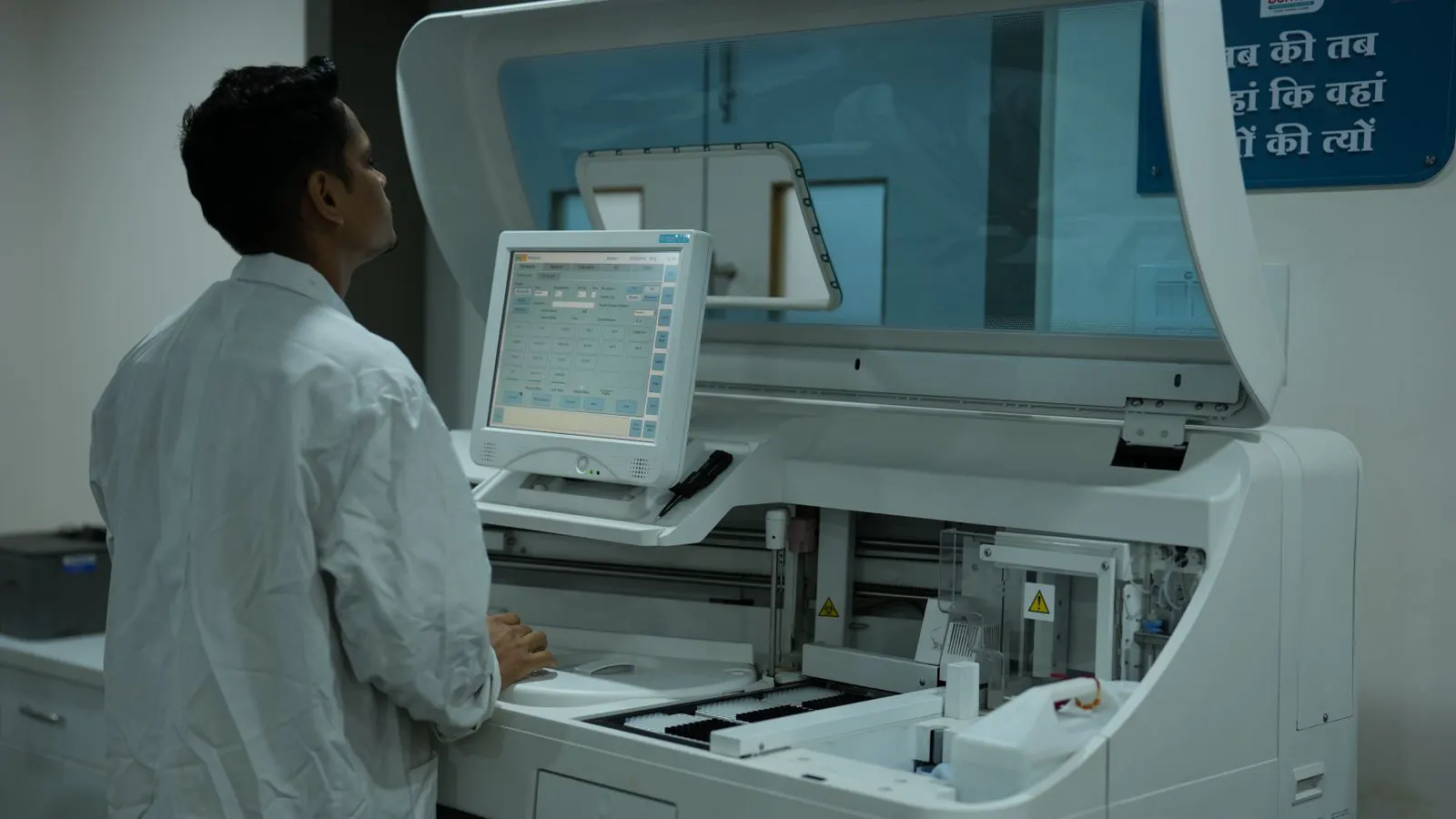
Selecting a lab automation system requires evaluating mechanical modules, software integration, and maintenance support. This guide outlines core components and selection criteria to help procurement managers make informed decisions for clinical diagnostics workflows.
- Lab automation systems combine mechanical modules, fluidic systems, and software for end-to-end sample processing
- Selection criteria must match your lab's sample volume, test menu, and IT infrastructure
- Total cost of ownership includes maintenance contracts, consumables, and integration effort
- Vendor support and service response times directly affect operational continuity
- Pilot testing with real samples reduces the risk of misaligned specifications
What Are the Core Components of a Lab Automation System
A lab automation system is not a single machine. It is a coordinated set of mechanical, fluidic, and software components that move, process, and analyze clinical samples from receipt to result reporting. Understanding each part helps procurement teams evaluate whether a platform fits their actual workflow rather than a brochure description.
The mechanical module handles sample introduction, barcode scanning, reagent dispensing, and result collection. This section determines throughput capacity and physical footprint. A lab with limited bench space may need a compact linear module rather than a large random-access platform.
The fluidic system manages liquid handling: aspirating, dispensing, washing, and transferring samples and reagents. Pipette geometry, tip types, and seal quality affect assay accuracy. Teams should verify that the system supports the specific sample types they process, such as whole blood, plasma, or serum.
The software layer connects hardware to the laboratory information system. It controls scheduling, routing, error handling, and data export. A system with no native interface to your existing LIMS creates manual transcription work and increases error risk.
A worked example helps clarify these components. A mid-sized hospital lab processes 500 samples per day across chemistry, hematology, and coagulation tests. The current manual setup takes three technicians four hours to load instruments. The procurement team evaluates two automation platforms. One offers a high-throughput linear module but requires a new LIMS interface. The other integrates with the existing LIMS but has a lower per-hour throughput. The second platform meets the daily volume with a small buffer and avoids a multi-year software project. The decision hinges on matching components to operational reality, not maximum capacity.
How Sample Volume and Test Menu Drive Selection
Sample volume and test menu define the minimum and maximum capacity a system must support. Procurement managers should calculate average daily load, peak day load, and expected growth over three to five years. A system sized for peak load may sit idle for most of the year, tying up capital and floor space.
Test menu breadth matters more than raw throughput. A platform that handles 200 chemistry tests but not coagulation or immunoassay forces manual workarounds. Conversely, a broad platform with limited chemistry panels may not justify its cost. Teams should list every test type processed daily and verify that the platform covers each one natively or through compatible modules.
A numbered list captures the practical checks:
- Count samples per day by test category.
- Identify peak days, such as post-surgery weeks or seasonal respiratory seasons.
- List all reagent types and sample matrices required.
- Check whether the platform supports each test natively or needs an add-on module.
- Confirm barcode and result routing for each test type.
Mismatched capacity or test coverage creates the most common sourcing failure. The system arrives, installs, and runs, but the lab still relies on manual steps for a subset of tests.
How Integration and Data Flow Affect Sourcing
Lab automation does not operate in isolation. It must exchange data with the laboratory information system, the electronic medical record, and often the hospital’s central reporting platform. Poor integration creates a data gap that technicians fill by hand, defeating the purpose of automation.
The key integration points include sample receipt, test scheduling, result delivery, and error reporting. A system that only exports results at the end of a batch leaves the LIMS unaware of in-progress work. Teams should request a data dictionary from the vendor. This document lists every field the system sends, its format, and its update frequency.
A practical integration check is the “one-day shadow run.” The vendor demonstrates a full day of operation using the lab’s actual LIMS and sample types. Technicians observe where data lags, where manual entries remain, and where error messages are unclear. This exercise surfaces problems that a spec sheet hides.
Common integration mistakes include:
- Assuming any LIMS works with any platform without testing
- Underestimating the effort to map result codes between systems
- Ignoring offline behavior when network connections drop
- Not testing barcode scanning under real lighting and gloved-hand conditions
How Maintenance, Service, and Support Shape Total Cost
The purchase price is only one part of the total cost of ownership. Maintenance contracts, service response times, spare parts availability, and software updates determine whether a system stays online. A platform with a low sticker price but a 48-hour service response window can cost more in lost throughput than one with a higher price and a 4-hour response.
Procurement teams should evaluate the service model in writing. Key terms to verify include response time definitions, on-site versus remote support, parts warranty periods, and software update frequency. A vendor that offers only remote troubleshooting may be acceptable for minor faults but risky for a system that processes critical diagnostics all night.
Consumables and reagent compatibility add another layer. Some platforms use proprietary tips, tubes, or cartridges that carry a premium. Others accept third-party consumables, which can reduce per-test cost but require validation to ensure performance does not drift. Teams should request a cost-per-sample model from the vendor using realistic volumes and a mix of test types.
A worked example of total cost evaluation. Two vendors quote similar purchase prices for a mid-size automation platform. Vendor A includes a 24-month maintenance contract with 4-hour on-site response and quarterly software updates. Vendor B sells the hardware without a service contract and offers a 72-hour response window. When the procurement team adds estimated service costs for the first three years, Vendor A’s total is comparable to Vendor B’s. The deciding factor becomes service reliability, not hardware price.
How Physical Constraints and Installation Requirements Matter
Floor space, power, utilities, and environmental conditions shape whether a platform can actually run in the intended location. Teams often discover late in the process that a proposed module requires a specific voltage, a dedicated air line, or a clear wall space for loading.
The physical checklist includes:
- Bench dimensions and clearance for operator access
- Power requirements, including dedicated circuits or phase configuration
- Air supply or compressed gas connections
- Waste liquid handling and drain locations
- Temperature and humidity ranges
- Network bandwidth for data exchange
Installation timelines also affect sourcing decisions. A complex platform may require site preparation, utility work, and vendor engineering visits. If the lab has a fixed go-live date, the installation timeline must fit within that window. A platform that needs a dedicated air line may delay installation by weeks if the building does not already have one.
How to Pilot Before Committing
A pilot test with real samples reduces the risk of buying a platform that looks right on paper but fails in practice. The pilot should run for a defined period, such as two to four weeks, using the lab’s actual sample types, reagents, and operators.
The pilot should measure:
- Throughput against the expected daily load
- Error rate for barcode and result routing
- Operator time per batch
- Maintenance interventions required
- Data integrity between the platform and the LIMS
A pilot also tests the vendor’s support responsiveness. If a fault occurs during the pilot, how quickly does the vendor diagnose and resolve it? This is a real-world indicator of post-sale service quality.
A worked example of a pilot. A regional lab evaluates a new automation platform for hematology and chemistry. The pilot runs for three weeks with 40 samples per day. The platform meets throughput but shows a 2 percent barcode error rate due to smudged labels from the current sample preparation step. The lab corrects the labeling process and reruns one week. The error rate drops to 0.5 percent. The pilot reveals a workflow gap that the vendor’s demo did not surface. The lab proceeds with the purchase after adjusting the sample preparation step.
How to Compare Vendors on a Practical Basis
When comparing vendors, procurement managers should use a weighted scoring model. Assign weights to criteria that matter most to the lab, such as total cost of ownership, integration fit, service level, and test menu coverage. Score each vendor against those criteria using objective evidence from the pilot, vendor documentation, and references from similar labs.
The comparison should avoid single-metric thinking. A platform with the highest throughput may score poorly on service reliability. A platform with the lowest consumable cost may score poorly on integration. The weighted model forces a balanced view.
A simple table captures the comparison structure:
| Criteria | Weight | Vendor A | Vendor B |
|---|---|---|---|
| Total cost of ownership | 25 | 3.5 | 4.0 |
| LIMS integration fit | 20 | 4.5 | 3.0 |
| Service response level | 20 | 4.0 | 3.5 |
| Test menu coverage | 15 | 4.0 | 4.5 |
| Pilot throughput and errors | 10 | 3.5 | 4.0 |
| Installation timeline fit | 10 | 4.0 | 3.5 |
Scores are hypothetical examples. The structure is what matters: each criterion is weighted, each vendor is scored against evidence, and the final decision reflects the lab’s actual priorities.
How to Prepare the Sourcing Document
The sourcing document should translate the selection process into a clear, defensible record. It should include the lab’s current workflow, the problem the automation solves, the criteria used, the pilot results, and the vendor comparison. This document protects the decision when challenged by finance, clinical leadership, or internal audit.
The document should also state assumptions clearly. If the decision assumes a 10 percent sample growth over three years, say so. If the pilot used only a subset of test types, note that. If a vendor offered a discount contingent on a multi-year service contract, record that condition.
A well-prepared sourcing document turns a complex technical purchase into a transparent business decision. It aligns procurement, clinical operations, and IT around the same facts and the same priorities.
How to Avoid Common Selection Mistakes
Several mistakes repeat across lab automation purchases. The first is buying for peak capacity without considering average load. The second is accepting a platform that integrates with a future LIMS rather than the current one. The third is underestimating installation and site preparation time. The fourth is ignoring consumable lock-in without validating third-party options. The fifth is skipping a pilot with real samples.
Each mistake can be avoided with a structured checklist and a pilot. The checklist forces the team to name the constraints before they are surprised by them. The pilot turns assumptions into measured facts.
The goal is not to find the most advanced platform. The goal is to find the platform that fits the lab’s actual workflow, budget, and support needs. When those three align, automation delivers its promise: consistent throughput, fewer manual errors, and a stable foundation for diagnostic services.
Frequently asked questions
What is the minimum sample volume needed to justify lab automation?
There is no universal minimum. The break-even point depends on labor costs, error rates, and the platform's purchase and service prices. Labs should calculate the cost per sample with and without automation before deciding.
Can a lab automation system handle multiple test types on the same platform?
Some platforms are designed for multi-test workflows with interchangeable modules. Others are single-test systems that require separate instruments. The test menu should be mapped to the platform's native capabilities before purchase.
How long does a pilot test typically take?
Two to four weeks is a common range for a focused pilot. The duration should cover enough sample days to capture normal variation and at least one error event.
What documents should a procurement team request before evaluating a lab automation platform?
Request the data dictionary, integration documentation, service level agreement, consumable compatibility list, and installation requirements. These documents reveal real-world constraints that a spec sheet may omit.
Does a lower purchase price always mean better value for lab automation?
No. Total cost of ownership includes service, consumables, integration effort, and downtime risk. A platform with a higher purchase price but stronger service and lower per-test cost may deliver better long-term value.