Laparoscopic vs Open Surgical Tools: Key Differences for Procurement
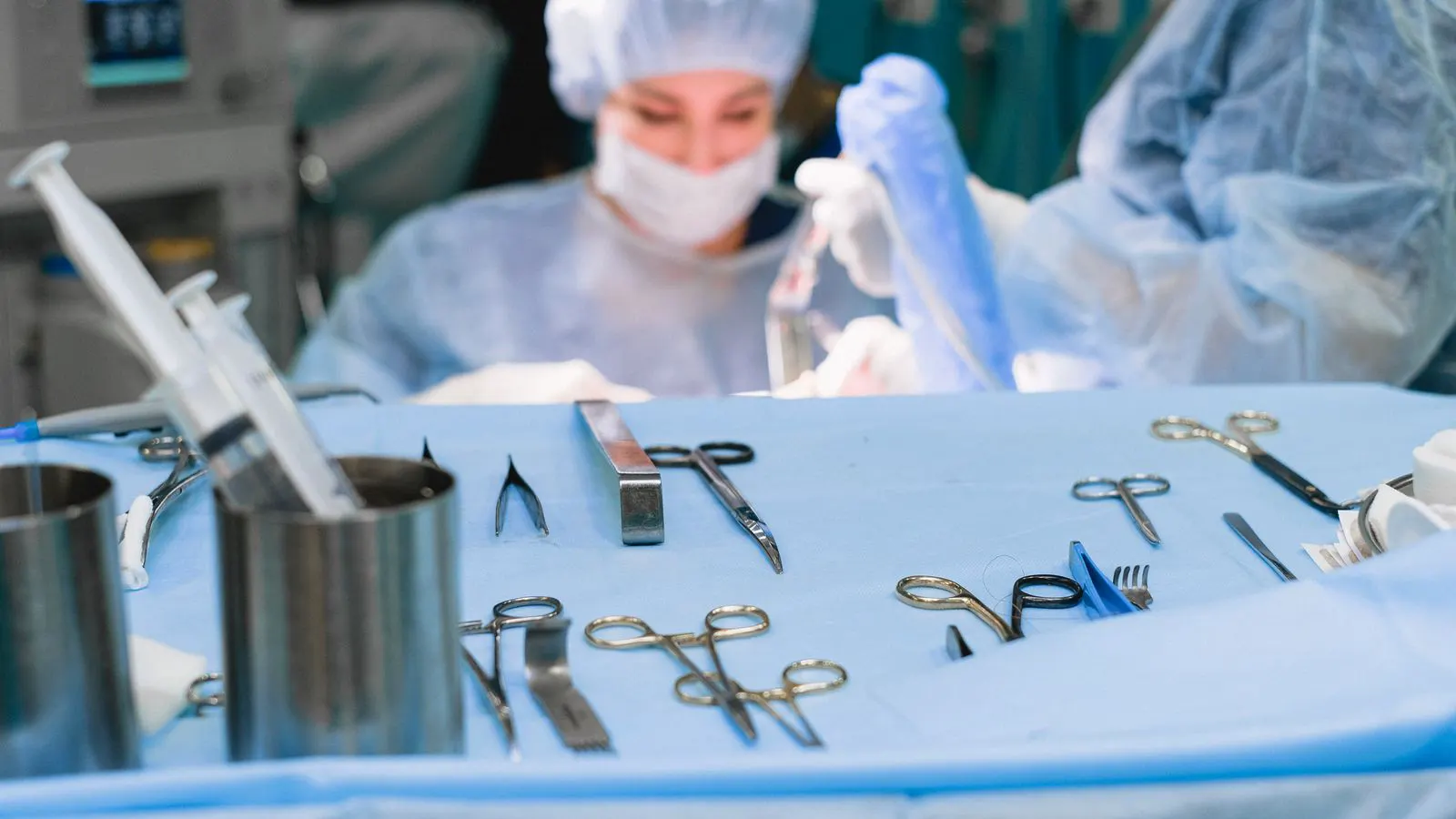
Laparoscopic tools use smaller ports for less invasive work, while open tools offer direct visualization and tactile feedback. Procurement depends on procedure type, surgeon preference, and total cost of ownership.
- Laparoscopic instruments require specialized training and support equipment, raising total cost per procedure.
- Open surgical tools provide direct tactile feedback but increase tissue trauma and recovery time.
- Procurement decisions should align with procedure type, surgeon preference, and long-term maintenance costs.
- Hybrid approaches allow teams to select the instrument set that matches specific clinical outcomes.
How instrument type affects surgical outcomes
Surgical tools fall into two broad categories: open instruments and laparoscopic instruments. Each approach serves different clinical needs. Open tools allow direct visualization of the surgical field. Surgeons see and feel tissues clearly. This direct contact supports precise dissection in complex cases. When a surgeon grasps a blood vessel or separates a tissue plane, the tactile feedback is immediate. The instrument tip moves in the same direction as the handle, with minimal lag. This direct line of action allows for subtle adjustments that a camera-mediated view cannot replicate. In a difficult dissection, where the margin between a vital structure and the target tissue is narrow, this physical feedback can prevent catastrophic injury.
Laparoscopic tools operate through small incisions. These ports let the team work inside the body without a large external cut. The instruments are longer and thinner. They use a camera system to display the internal view on a monitor. This method reduces tissue trauma. Recovery times are generally shorter. However, the surgeon does not touch the tissue directly. The forceps or scissors inside the body are extensions of the surgeon’s hands, but the feedback is filtered through the instrument shaft and the video feed. The surgeon must rely on visual cues and the mechanical resistance of the instrument to gauge tissue tension. This requires a different set of motor skills and spatial awareness.
The choice between these two types depends on the procedure. A cholecystectomy often works well with laparoscopic tools. The gallbladder is a defined organ, and the standard laparoscopic approach provides adequate exposure for its removal. A complex abdominal reconstruction, such as a bowel resection with anastomosis in a contaminated field, may require open tools. The surgeon needs to see the entire bowel length, palpate the anastomotic site, and manage potential bleeding with direct access. Procurement teams must evaluate the specific clinical context before selecting a set. They must look at the procedure list, the surgeon’s preference, and the facility’s capability to support the chosen method.
Key differences in design and function
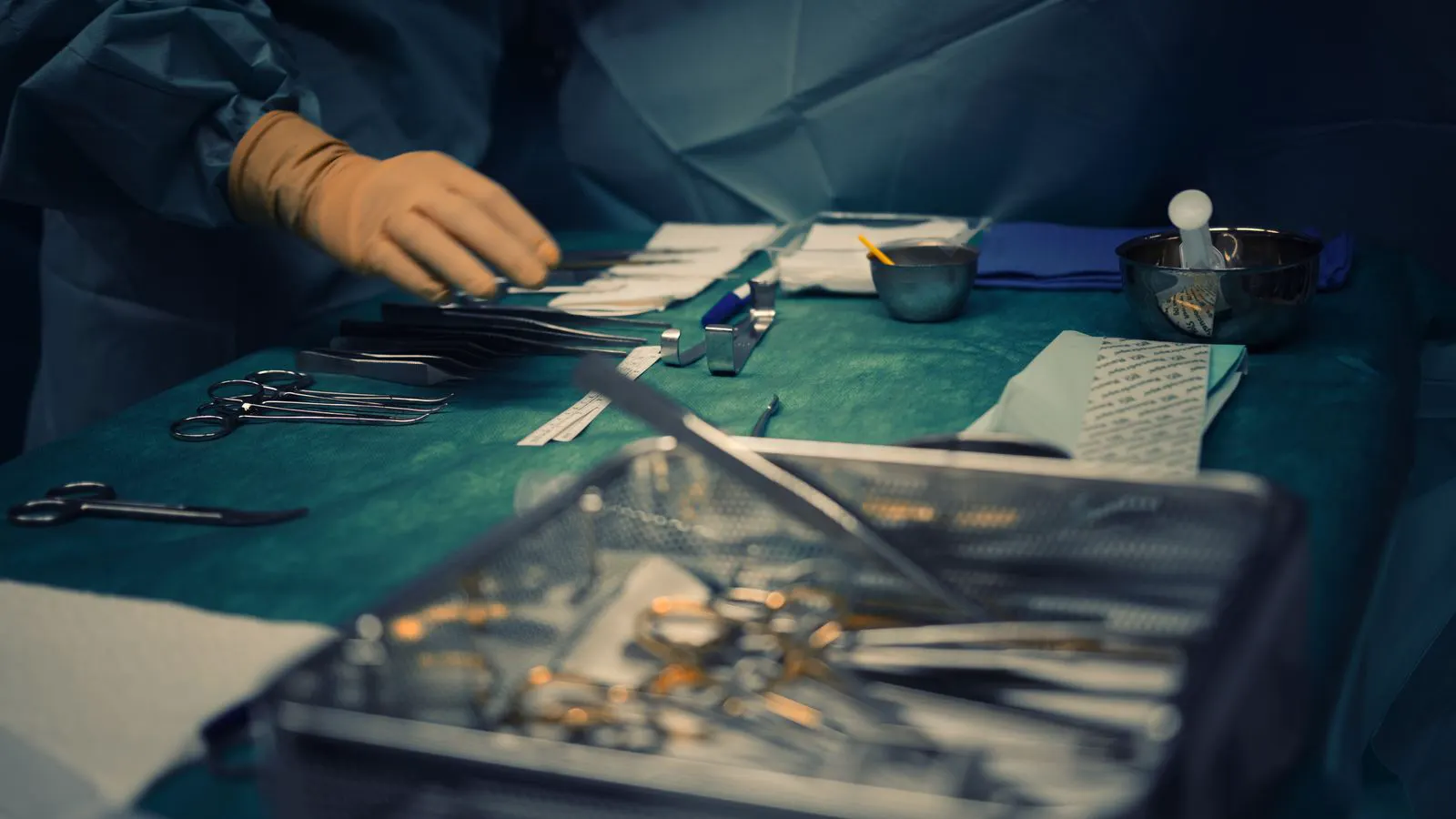
Open surgical tools include forceps, scissors, retractors, and needles. These instruments have short handles and ergonomic grips. The design prioritizes tactile feedback. The surgeon feels each tissue plane directly. This feedback helps avoid accidental injury. Open instruments are typically made from high-grade stainless steel, such as 316L, which offers corrosion resistance and durability. The handles often feature a contoured design that fits the palm, reducing hand fatigue during long procedures. The working ends of forceps and scissors are often beveled or curved to match the anatomy of the surgical site. For example, a curved tip is useful for grasping tissue in the abdominal cavity where a straight tip would not reach.
Laparoscopic tools mirror the same functions but in a modified form. They have longer shafts, often made of stainless steel or titanium. The handles are smaller. A camera system connects to the endoscope. The monitor displays the surgical field. The instruments move inside the body with limited range of motion. The shafts are rigid to maintain the line of sight from the camera to the surgical site. This rigidity is necessary but limits the surgeon’s ability to move the instrument tip independently of the shaft. To compensate, laparoscopic instruments often use a wristed mechanism at the handle. This allows the shaft to rotate or bend at the proximal end, giving the tip a greater range of motion inside the body. The camera system is critical. It must provide high-resolution, low-latency video to the surgeon. Any delay between the surgeon’s movement and the image on the screen can cause misalignment and error.
| Option | Best for | Limitations |
|---|---|---|
| Open surgical tools | Complex dissections, emergency surgery, large resections | Higher tissue trauma, longer recovery, larger incisions |
| Laparoscopic surgical tools | Minimally invasive procedures, elective surgeries, smaller incisions | Higher initial equipment cost, steeper learning curve, limited tactile feedback |
| Hybrid approach | Procedures requiring both direct and minimally invasive techniques | Requires proficiency in both techniques, increased inventory complexity |
| Robotic-assisted tools | Highly precise, small-scale surgeries | Very high capital cost, limited availability, specialized training required |
| Standard open set with laparoscopic add-ons | Departments transitioning between approaches | May lead to inventory bloat if not managed carefully |
Cost implications for procurement budgets
Open tools are generally less expensive to purchase. A standard set costs less than a laparoscopic system. The total cost of ownership for open tools is lower. Maintenance involves regular sterilization and occasional replacement of handles or blades. Open instruments are durable. They can last for decades if maintained properly. The primary cost driver is the initial purchase of the set. After that, the expenses are limited to routine sterilization, minor repairs, and eventual replacement of worn items. A high-quality open set is a long-term asset that serves the department for many years.
Laparoscopic tools carry a higher initial cost. The instruments themselves are more expensive. The camera system and monitor add to the expense. Consumables like single-use ports and trocars add recurring costs. Procurement teams must account for these ongoing expenses. The laparoscopic system is not just a set of instruments. It is an integrated ecosystem. The video tower, the monitor, the light source, and the instruments all work together. If one component fails, the entire system is unavailable. The video tower, for example, requires regular maintenance and calibration. The monitor must be replaced every few years due to screen degradation. The instruments have moving parts, such as the wristed mechanism, which can wear out and require repair or replacement.
Training costs differ too. Open tools are easier to learn. The skills required for open surgery are often learned during surgical residency. The basic principles of dissection and retraction are transferable. Laparoscopic techniques require dedicated training programs. Surgeons and nurses need practice time to build proficiency. The transition from open to laparoscopic surgery involves a learning curve. The surgeon must adapt to the loss of tactile feedback and the new spatial dynamics of the instrument. This training time can extend the period before full surgical efficiency is reached. Departments must budget for training time, which is time away from the operating room.
When to choose open surgical tools
Open tools suit procedures where direct visualization is critical. Complex abdominal surgeries often require open access. The surgeon needs to see the entire field and manipulate tissues with full force. In emergency situations, such as trauma or acute abdomen, speed matters. Open tools allow faster access. A surgeon can make a single large incision and immediately assess the abdomen. There is no time to set up a camera system or place ports. The open approach is often the default in trauma care, where the goal is rapid control of bleeding and assessment of internal damage.
Open tools also work well when the surgical field is large. A large resection or a difficult dissection benefits from the wide view. The tactile feedback helps the surgeon feel tissue planes. This reduces the risk of inadvertent injury. For example, in a complex pelvic surgery, the open approach allows the surgeon to retract the bladder and bowel with forceps, providing a clear workspace. The ability to palpate the tissues helps in identifying hidden structures or areas of inflammation. Open tools are also preferred in cases where the anatomy is distorted, such as in previous surgeries or in patients with significant adipose tissue. The direct view and touch allow the surgeon to navigate these challenges more safely.
Procurement teams should stock open tools for trauma centers and departments with complex surgical volumes. The lower cost per instrument and simpler maintenance make them a practical choice. They are also essential for departments that serve as referral centers for complex cases. Even in departments focused on minimally invasive surgery, a robust open inventory is required as a backup. Surgeons may need to convert to an open procedure if the laparoscopic approach becomes unsafe or ineffective.
When to choose laparoscopic surgical tools
Laparoscopic tools fit minimally invasive procedures. Elective surgeries like cholecystectomy, appendectomy, and hernia repair often use this approach. The smaller incisions lead to less pain. Patients recover faster. Hospital stay is shorter. The reduced tissue trauma means less inflammation and less scarring. This is particularly beneficial for outpatient procedures, where the patient goes home the same day. The laparoscopic approach is also well-suited for diagnostic purposes. The camera allows the team to inspect internal organs without a large incision. This is common in gastroenterology and gynecology. For example, a laparoscopic cholecystectomy provides both the removal of the gallbladder and a clear view of the surrounding structures, which can help identify other conditions.
Laparoscopic tools are also useful for procedures where the benefit of less tissue trauma outweighs the complexity of the approach. In hernia repair, the laparoscopic method can reduce post-operative pain and improve cosmetic outcomes. In gynecology, the laparoscopic approach allows for the removal of ovaries or uteruses with smaller incisions, leading to faster recovery. Procurement teams should consider laparoscopic tools for departments with high volumes of elective procedures. The cost per procedure may be higher, but reduced hospital stay and fewer complications can offset this. Training programs must be in place to ensure safe use. The department must have a sufficient number of trained surgeons and nurses to support the laparoscopic program. Without adequate staffing, the investment in equipment will not be fully use.
How to evaluate total cost of ownership
Total cost of ownership includes more than the initial purchase price. For open tools, the main costs are the instruments and periodic replacement. Sterilization costs are similar for both types. However, laparoscopic systems require maintenance of the camera and monitor. The video tower and display unit can be expensive to repair. The cost of maintenance for laparoscopic systems is a significant factor. The video tower, for example, requires regular cleaning of the lenses and calibration of the system. The monitor must be replaced every few years. The instruments have moving parts that can wear out. The cost of repair or replacement of these parts can add up over time. Procurement teams must account for these costs when comparing the total cost of ownership of open and laparoscopic systems.
Consumables differ. Laparoscopic procedures use single-use ports and trocars. These add to the per-procedure cost. Open tools use standard drapes and sutures. The consumable cost is lower. The cost of single-use ports and trocars can be significant, especially in high-volume departments. These consumables are necessary for patient safety and sterility. They cannot be reused. Procurement teams must include the cost of these consumables in their budget calculations. They should also consider the cost of the video system, which includes the light source, the camera, and the monitor. These components have a finite lifespan and require replacement.
Training and time are hidden costs. Laparoscopic procedures may take longer initially due to the learning curve. Over time, efficiency improves. Open procedures can be faster in complex cases. Procurement teams should model these variables based on their surgical volume. They should estimate the number of procedures per year and the average time per procedure. They should also estimate the cost of training for the surgical team. The training time is a cost to the department, as it reduces the number of surgeries that can be performed. By modeling these variables, procurement teams can make a more informed decision about the total cost of ownership of each instrument type.
Practical steps for selecting the right instruments
Start by mapping surgical procedures to instrument needs. List the most common procedures in your department. Identify which procedures favor open or laparoscopic approaches. This mapping reveals inventory gaps. For example, a department with a high volume of cholecystectomies and hernia repairs may need a robust laparoscopic set. A department with a high volume of trauma surgeries and complex abdominal reconstructions may need a strong open inventory. The mapping should include the frequency of each procedure and the preferred approach for each. This data will help in determining the size and type of the instrument set needed.
Next, review current usage. Track which tools are used most often. Check the condition of existing instruments. Replace worn items before adding new sets. A well-maintained inventory reduces the need for frequent purchases. The department should have a system for tracking the usage of each instrument. This can be done through a checklist after each procedure or through a software system. The condition of the instruments should be inspected regularly. Worn items should be replaced promptly to ensure safety and efficiency. A well-maintained inventory also extends the life of the instruments and reduces the risk of failure during surgery.
Engage with surgeons and nurses. They know the practical challenges. A surgeon may prefer a specific instrument design. A nurse may need a particular handle shape for better grip. Their input helps avoid purchasing tools that do not fit the workflow. The surgical team should be involved in the selection process. They can provide feedback on the design, ergonomics, and functionality of the instruments. Their input can help in selecting instruments that are comfortable to use and effective for the specific procedures performed in the department. This collaboration ensures that the instruments purchased are well-suited to the needs of the team.
Consider the support ecosystem. Laparoscopic systems need technical support. The supplier must provide maintenance and training. Open tools are simpler but still need sterilization and repair. Choose suppliers with reliable service. The supplier should provide a maintenance contract that includes regular servicing and repair. They should also provide training for the surgical team on the proper use and care of the instruments. The supplier should be responsive to service requests and have a good track record of reliability. A reliable supplier ensures that the instruments are available when needed and that any issues are resolved quickly.
Common procurement mistakes to avoid
Buying a large laparoscopic set without assessing procedure volume is a frequent error. The cost adds up quickly. If the department only performs a few minimally invasive cases per year, the investment may not pay off. The department should assess the number of procedures per year and the expected growth in volume. If the volume is low, a smaller set or a shared set with another department may be more cost-effective. The department should also consider the availability of trained surgeons. If there is a shortage of laparoscopic surgeons, the equipment may sit idle.
Ignoring training needs leads to underutilization. A well-funded instrument set sits unused if the team lacks proficiency. Invest in training before or alongside the purchase. The training should be comprehensive and include hands-on practice. The team should be trained on the proper use of the instruments, the camera system, and the maintenance procedures. The training should also cover the safety protocols and the emergency procedures. Without adequate training, the risk of complications increases and the efficiency of the procedures decreases.
Overlooking consumable costs creates budget surprises. The initial instrument cost is only part of the picture. Recurring costs for ports, trocars, and camera maintenance can exceed the initial budget. The department should estimate the cost of consumables per procedure and multiply it by the expected number of procedures per year. They should also estimate the cost of maintenance for the camera system and the instruments. By including these costs in the budget, the department can avoid unexpected expenses and ensure that the budget is sufficient to support the instrument program.
Not planning for maintenance leads to downtime. A broken camera or worn instrument can delay surgery. Build a maintenance schedule into the procurement plan. The department should have a maintenance schedule that includes regular inspections, cleaning, and repairs. They should also have a contingency plan for when a component fails. This may include having a backup instrument or a backup camera system. A proactive maintenance plan reduces the risk of downtime and ensures that the instruments are always in good working condition.
Final considerations for your department
The right choice depends on your clinical profile. A trauma center needs strong open tool inventory. A center focused on elective minimally invasive surgery needs a solid laparoscopic set. A mixed department may need both. The department should assess its clinical profile and its surgical volume to determine the optimal mix of open and laparoscopic instruments. The decision should be based on the specific needs of the department and the preferences of the surgical team.
Review your surgical volume. If most procedures are elective and suitable for laparoscopic technique, invest in that system. If complex open cases dominate, prioritize open tools. The department should review its surgical volume on a regular basis. As the volume changes, the instrument inventory should be adjusted accordingly. The department should also consider future trends in surgical practice. For example, if the department plans to introduce new procedures, it may need to add new instruments to its inventory.
Keep the goal in mind: safe, effective surgery within budget. The instrument type is a tool. The outcome depends on the skill of the team. Procurement should support that skill. The instruments are only as effective as the team that uses them. The procurement team should ensure that the instruments are well-suited to the needs of the team and that the team is properly trained and supported. By focusing on the clinical needs and the practical considerations, the department can make an informed decision that leads to safe, effective surgery within budget.
Frequently asked questions
Which surgical tools are cheaper to buy?
Open surgical tools are generally less expensive than laparoscopic systems. The initial cost and maintenance requirements are lower.
Do laparoscopic tools reduce hospital stay?
Yes, laparoscopic procedures often lead to shorter hospital stays due to less tissue trauma and faster recovery.
Can open tools be used for minimally invasive surgery?
No, open tools require a larger incision. Laparoscopic tools are designed for smaller ports and camera-assisted work.
How long do laparoscopic instruments last?
With proper sterilization and maintenance, laparoscopic instruments can last many years. The camera and monitor have shorter lifespans.
Should I buy a hybrid set?
A hybrid set makes sense if your department performs both open and laparoscopic procedures. It reduces inventory gaps and supports flexible surgical planning.